Wir versenden weltweit – Erfahren Sie mehr >

Mit Sitz in Großbritannien – familiengeführt und unabhängig!

!

Hier kommt Ihr Inhalt hin. Sie können diesen Text direkt hier oder in den Inhaltseinstellungen des Moduls bearbeiten oder entfernen. Außerdem können Sie jeden Aspekt dieses Inhalts in den Design-Einstellungen des Moduls gestalten und in den erweiterten Einstellungen des Moduls sogar benutzerdefiniertes CSS auf diesen Text anwenden.

Mit Sitz in Großbritannien – familiengeführt und unabhängig!

Otimos -Steppdecken-Größenübersicht – Welche Größe brauche ich?

Otimos -Steppdecken-Größenübersicht – Welche Größe brauche ich?

Warum die Länge eines Quilts eine Rolle spielt

Eine Bettdecke hält die warme Luft um Ihren Körper herum zurück und sorgt gleichzeitig dafür, dass kein unnötiges Gewicht entsteht. Die Wahl der richtigen Länge gewährleistet, dass Sie von den Schultern bis zu den Füßen vollständig zugedeckt sind, wodurch Zugluft minimiert und die Wärmeeffizienz maximiert wird.

Eine zu kurze Bettdecke kann an den Schultern oder Füßen Lücken hinterlassen, was die Wärme und den Komfort beeinträchtigt. Eine Bettdecke, die länger als nötig ist, erfüllt zwar ebenfalls ihren Zweck, kann jedoch etwas mehr Gewicht und Volumen im gepackten Zustand mit sich bringen.


So wählen Sie Ihre Größe aus

Wir empfehlen Ihnen, die Größe Ihrer Bettdecke in erster Linie anhand Ihrer Körpergröße auszuwählen.

In der untenstehenden Größentabelle finden Sie die empfohlene Bettdeckenlänge für Ihre Körpergröße.

Zwischen zwei Größen?

Wenn Ihre Körpergröße nahe an der Obergrenze eines Größenbereichs liegt, empfehlen wir in der Regel, eine Nummer größer zu wählen.

Die zusätzliche Länge sorgt für mehr Flexibilität beim Schlafen unter kälteren Bedingungen und gewährleistet, dass der Körper auch bei Bewegungen während der Nacht vollständig bedeckt bleibt.


Überlegungen zur Schlafposition

Rückenschläfer

Rückenschläfer können die empfohlene Größe in der Regel allein anhand ihrer Körpergröße auswählen.

Seitenschläfer

Seitenschläfer sollten möglicherweise eine Nummer größer wählen, wenn sie regelmäßig mit angewinkelten Knien schlafen oder sich nachts viel bewegen, da dies die tatsächlich verfügbare Länge verringern kann.

Aktive Schläfer

Wenn Sie sich im Laufe der Nacht häufig umdrehen, kann die Wahl der größeren Größe – falls Sie zwischen zwei Größen liegen – dazu beitragen, dass die Decke den gesamten Körper bedeckt und das Risiko von Zugluft verringert wird.


Brauchen Sie Hilfe bei der Auswahl?

Wenn Sie sich nicht sicher sind, welche Größe für Sie die richtige ist, teilen Sie unserem Team bitte Ihre Körpergröße und Ihre Schlafgewohnheiten mit – wir empfehlen Ihnen gerne das passende Modell.

Was bedeutet „PFC-frei“ und warum ist das wichtig?

Was bedeutet „PFC-frei“ und warum ist das wichtig?

"PFC Free" means that a product does not contain per- and polyfluoroalkyl substances (PFAS), which are synthetic man made chemicals commonly used to provide water, oil, and stain resistance in textiles, outdoor gear, and other products. PFC stands for perfluorinated chemicals, a subset of PFAS. These substances are known for their durability and ability to repel liquids, but they are also highly persistent in the environment and in the human body, earning them the nickname "forever chemicals."

Why Is It Important?

Environmental Impact: PFCs do not break down easily in nature. They can accumulate in soil, water, and wildlife, leading to long-term environmental contamination.

Health Risks: Some PFCs have been linked to serious health issues, including:

  • Hormonal disruptions
  • Liver damage
  • Kidney and testicular cancer
  • Immune system effects

Sustainability: By eliminating PFCs, companies contribute to more sustainable production practices. Choosing PFC-free products helps reduce the overall environmental footprint.

Consumer Awareness: Many consumers are increasingly seeking safer and more eco-friendly products. "PFC Free" labeling helps them make informed choices.

Where It Matters...

PFC-free claims are significant in industries like:

  • Outdoor Apparel and Gear: Waterproof jackets, tents, and shoes often rely on PFC-based coatings.
  • Food Packaging: Some grease-resistant food wrappers and containers contain PFCs.
  • Cookware: Non-stick pans sometimes use PFCs like PTFE (Teflon).

By supporting PFC-free products, consumers and manufacturers can play a role in protecting both human health and the planet.

Brauche ich eine Bodenplane für mein Zelt?

Brauche ich eine Bodenplane für mein Zelt?

Are Tent Footprints Worth It?

Tent footprints can be a worthwhile investment for ultralight tents, but whether they are essential depends on your priorities, the type of terrain you'll encounter, and how you use your gear. Here are the pros and cons to help you make your final decision.

Pros of Using a Tent Footprint...

1. Protection for Your Tent Floor

Ultralight tents often have thinner materials to save weight, making the floor more vulnerable to punctures or abrasion. A footprint provides an extra layer of protection.

This is especially useful on rocky, rough, or abrasive terrain.

2. Extended Tent Lifespan

A footprint can help prolong the life of your tent by reducing wear and tear on the floor. It's easier and cheaper to replace a footprint than an entire tent floor.

3. Improved Waterproofing

Some tent footprints are designed to enhance waterproofing by adding an additional water-resistant barrier between the ground and your tent floor.

4. Ease of Setup Options

Many ultralight tents allow a "fast-pitch" setup using just the footprint, poles, and rainfly, creating a minimalist shelter option & saving pack weight.

5. Custom Fit

Manufacturer-provided footprints are tailored to fit your tent perfectly, reducing excess material and weight compared to DIY solutions.

Example Of A Custom Fit Footprint

Made specifically for each model of tent custom made footprints fit perfectly under the floor of your inner & most designs also provide additional floor coverage in the vestibule area providing a dry space for you to store your boots & other gear without them being inside your sleeping area.

Cons of Using a Tent Footprint...

1. Additional Weight

Even though footprints for ultralight tents are typically lightweight (usually 200/300grams) , they still add to your pack weight.

DIY solutions like Tyvek or polycro sheets can be lighter alternatives.

2. Initial Cost

Manufacturer footprints can be relatively expensive compared to DIY options or generic alternatives. You need to weigh-up how you plan to use your tent & if there is a need for it in your setup.

3. Redundancy

If you’re careful about campsite selection & your tent does not offer a fly+footprint configuration, you might not need a footprint at all. Choosing soft, debris-free ground can mitigate the risk of floor damage. However, time is not always on your side in the hills & it's just a case of getting a shelter up to protect you from the elements.

4. Space in your Pack

Footprints can add bulk to your pack, which may be an issue for ultralight backpackers.

When a Footprint Is Certainly Worth It

Rough Terrain: If you frequently camp on rocky or uneven ground, a footprint can save your tent from excessive damage.

High-Use Tent: For those who use their tent frequently, a footprint can extend its lifespan significantly.

Moist Environments: If you're in areas with persistent wet conditions, the extra waterproof layer can be helpful.

Final Thoughts...

If you’re an ultralight backpacker focused on minimizing weight, a lightweight DIY footprint or skipping it altogether might be the best choice, especially if you’re diligent about campsite selection. For others who prioritize durability, convenience a tent-specific footprint is be a valuable addition to your kit list even if it doenst travel with you on every camping trip.

Deine Ausrüstungsliste für das Wildcampen

Deine Ausrüstungsliste für das Wildcampen

Simple, Quick & Stress Free Packing For Your Next Overnight Outdoor Adventure! 

Packing for you Wild Camping trip can be stress full. But we're here to offer a helping hand handy guide to walk you through the kit you need to keep safe and have a great time in the outdoors!

I will break down the items I would recommend that deserve a space in your pack, but ultimately it is all down to personal preference.

Backpack - Osprey Aether 65L Is Our Pack Of Choice

  • Pack - A 60-65L pack will be plenty big enough to store the gear you will need
  • Rain Cover - A rain cover is a must have for you pack and will keep you kit dry in a downpour
  • Hydration - A water bladder gives quick and easy access to water on the move.
  • Walking Poles (Rough Terrain) - Most Osprey packs contain walking pole straps on the exterior of your pack

Shelter & Camp Accessories

  • Tent - Bonus features. A vestibule to store gear & boots, sub 2kg weight, room to sit inside
  • Footprint - Camping on wet/rough ground? Pack a footprint to keep you tent floor dry and free from tears
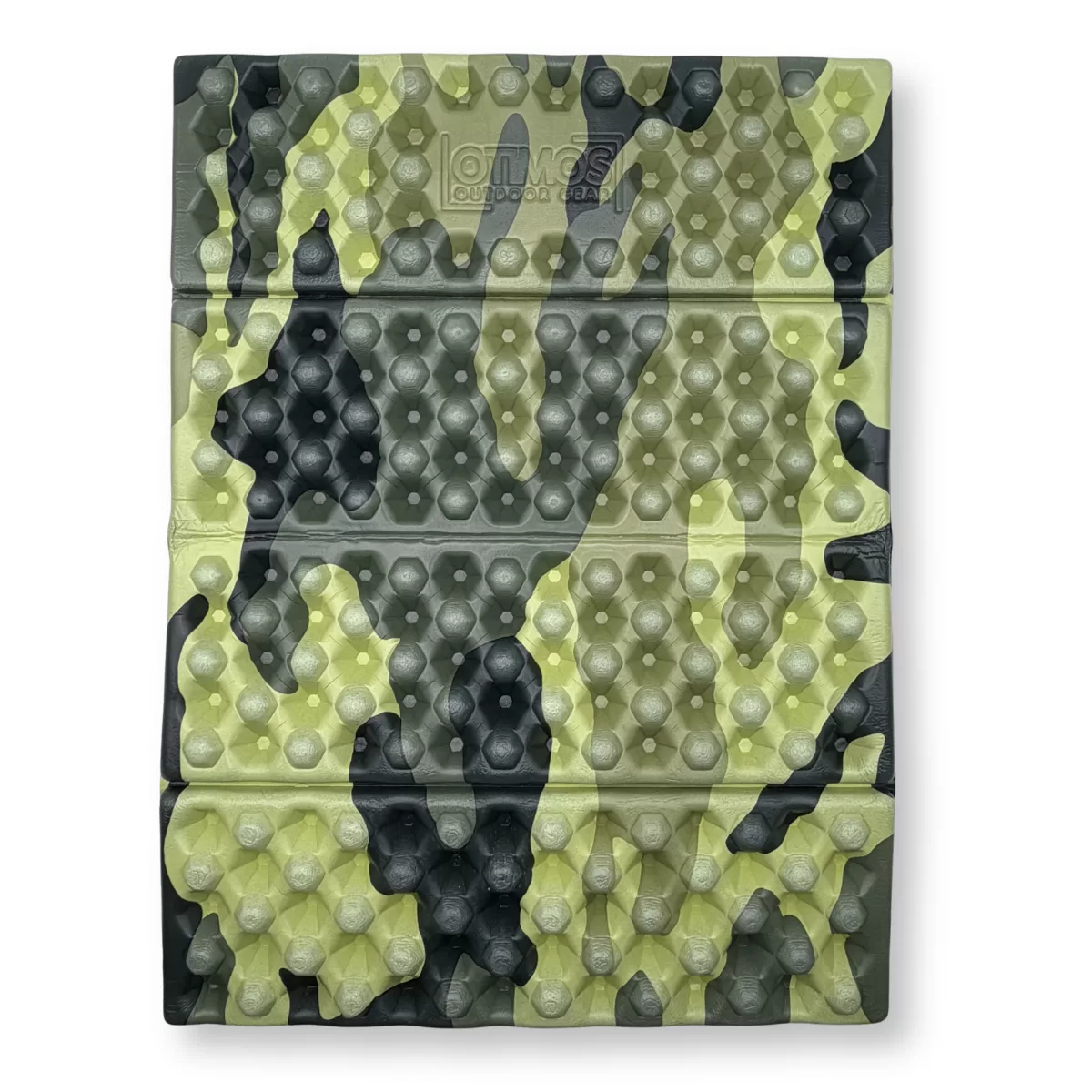
  • Sit Mat/Chair - An ultra light chair is a luxury item but worth the extra weight, if not a foam sit mat will do the job
  • Sleeping Bag/Quilt - I personally prefer a quilt due to smaller pack size & ease of movement when sleeping.
  • Sleeping Pad - I use the Nemo Tensor Insulated mat due to it performance in the cold & small pack size.
  • Pillow - An adjustable air-core pillow is perfect for getting a comfortable nights sleep

Camp Kitchen

  • Stove & Gas - I recommend the JetBoil flash, it's bomb proof, lightweight & will not let you down but cheaper options also get the job done
  • Gas Can Stand - Cooking on uneven surfaces like gras & rock is made easier with a stand
  • Titanium Cookware - Lightweight & super tough. Depending on your stove & meal plans a mug will usually do for boiling water & drinking
  • Cutlery - Titanium or plastic cutlery is needed at mealtime.
  • Food - I personally choose dehydrated meals as you simply add boiling water and it's done + my choice of snacks
  • Water Filtration - Pack a Lifestraw water filter and you can drink safe water anywhere in the UK
  • Water Bottle - Nalgene bottles will last you forever & I promise you they will not leak!
  • Compressed Towels - Clean pots & yourself with super small compressed towels.
  • Lighter/Matches - To ignite your stove. It's always worth packing one

Health & Safety

  • First Aid Kit - Pack a first aid kit containing essential in the event of an emergency
  • Foil Bivy Blanket - This emergency shelter could save your life if you are caught out in the elements.
  • Mini Shovel - I will let you figure this one out
  • Quick Drying Towel - Many uses for hygiene & cleanliness on the trial
  • Wipe Off Body Wash - Pits & Bits have produced a super range of wipe off wash kits
  • Sprays & Creams - Bug spray, sun cream & an antibiotic cream is well worth packing

Electronic Items

  • Mobile phone - Navigation & Contact with friends/family
  • Power Bank - Recharge devices & Lights
  • Charging Cables - Phones, cameras, lights etc
  • GPS - A gps is super handy for navigation and safety as phones don't always have stable connection
  • Headlamp/Torch - Great for around the campsite at night.

Clothing

  • Walking Socks - To minimise blisters
  • Hiking Trousers/Shorts - Hiking trousers that zip off to shorts are my choice
  • Thermal Base layers - For colder weathers
  • Cap/Wooly Hat - Depending on weather & wind conditions
  • Gloves - Depending on weather & wind conditions
  • Snood/Buff - Depending on weather & wind conditions
  • Down/Waterproof Jacket - Always pack a lightweight poncho for emergency but a down jacket depends on weather conditions
  • Underwear - I take spare undies but the choice is yours
  • Footwear - Walking boots or trail shoes are needed for harsh terrain.

Conclusion

As you embark on your camping journey, having the right equipment is crucial for a safe and enjoyable experience. Invest in good quality gear that suits your needs, ensuring that you are well-prepared for the challenges and beauty of the great outdoors. So pack your bag and get ready for an extraordinary adventure in nature.

Download your free wild camping kit list guide by clocking on the PDF icon Here...

Wählen Sie Ihre Währung aus