



Simple, quick and stress-free packing for your next night out.
Packing for a wild camp can feel like a lot. This list walks you through the kit I'd give a space in my pack, so you stay safe and enjoy your night outdoors. It's a starting point rather than a rulebook: what you take is down to you, the season and where you're heading.
Your pack
- Backpack: a 60 to 65 litre pack is plenty for an overnight trip with everything below.
- Rain cover or dry bags: a rain cover helps, but roll-top dry bags inside the pack keep your sleeping kit and clothes dry whatever the weather does.
- Compression sack: a compression stuff sack shrinks your quilt or spare layers so everything fits.
- Water on the move: a hydration bladder or a bottle in a side pocket you can reach without stopping.
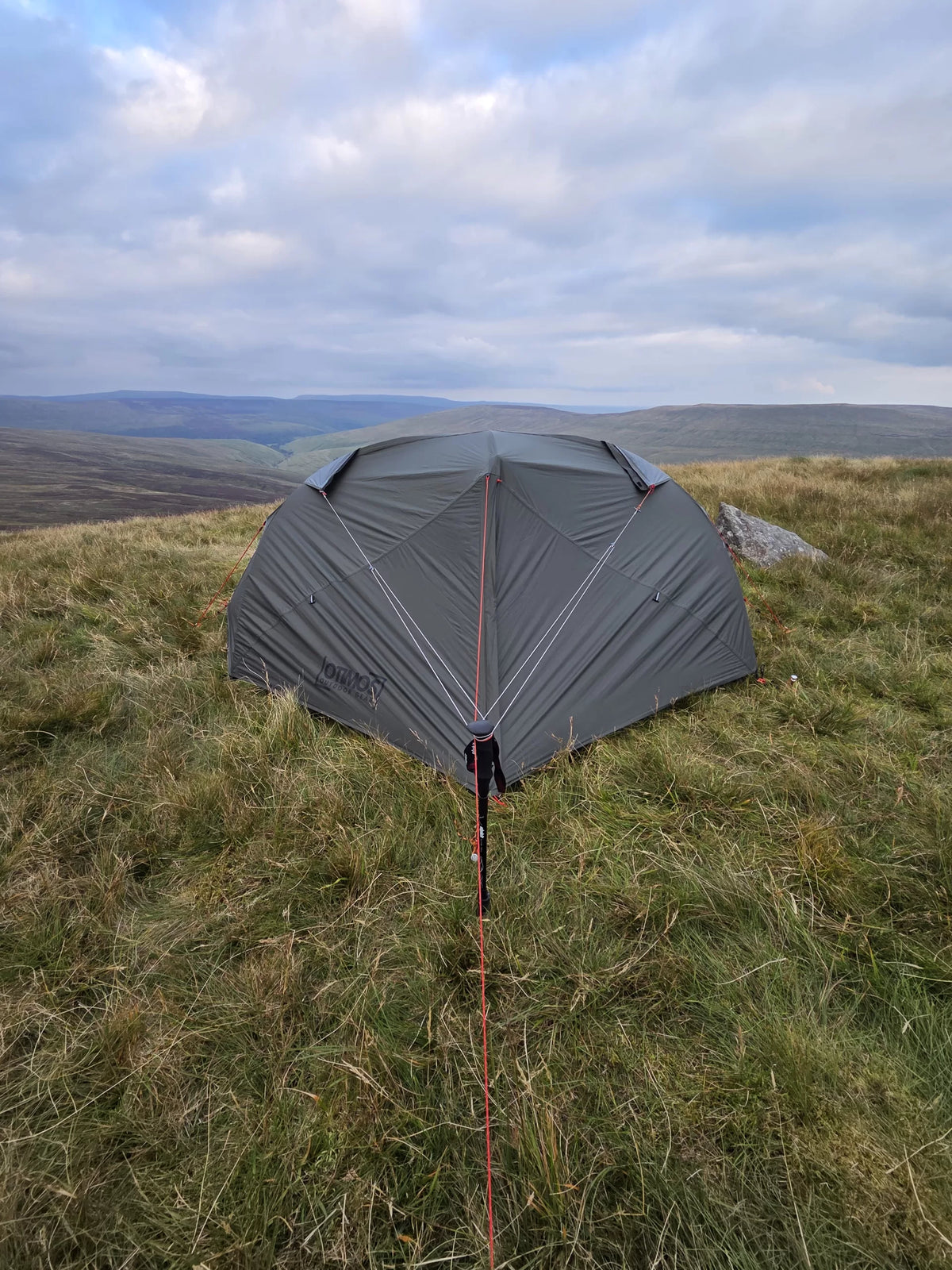
- Trekking poles: worth it on rough or steep ground. Ours are carbon fibre, and most rucksacks have straps to carry them when you don't need them.
Shelter and sleep
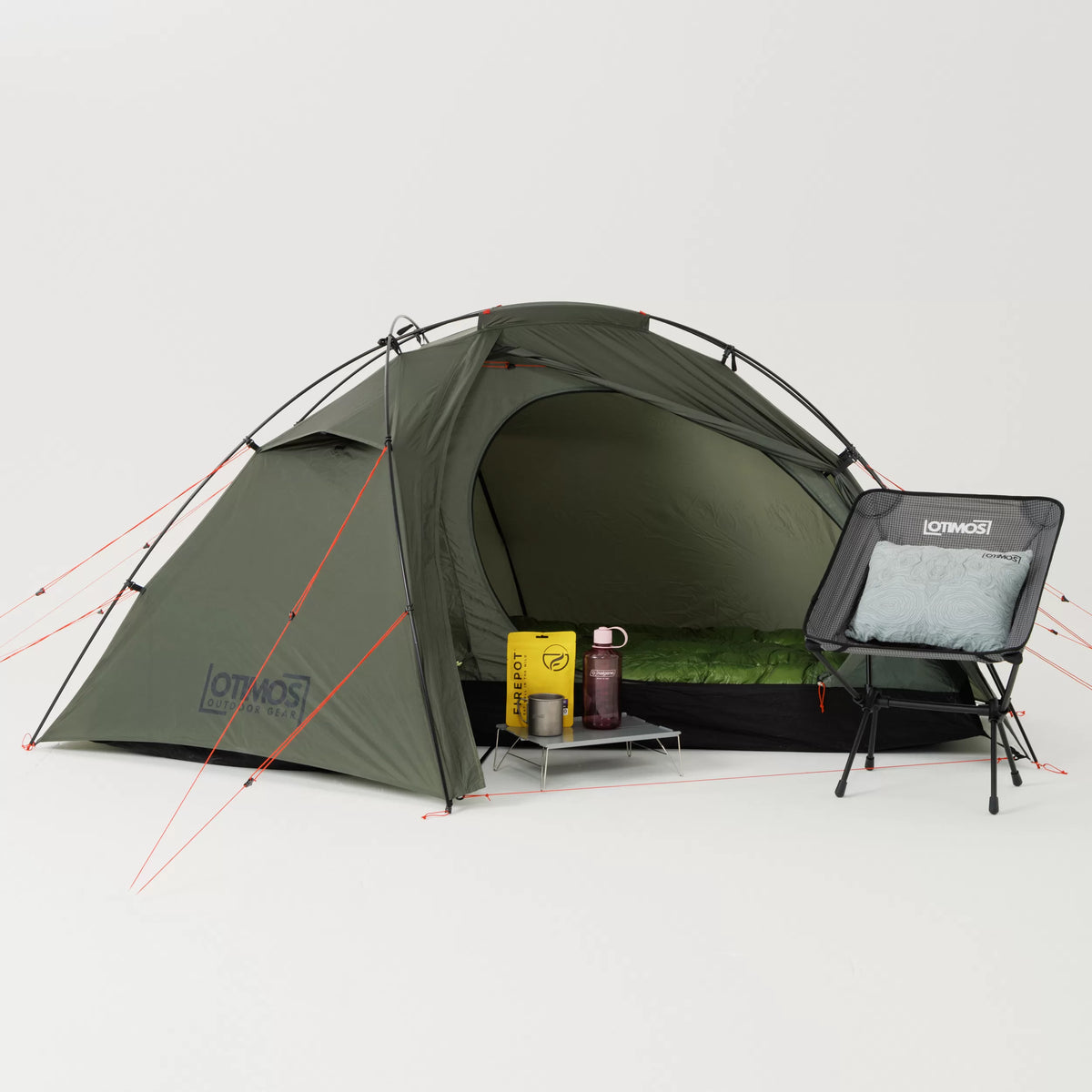
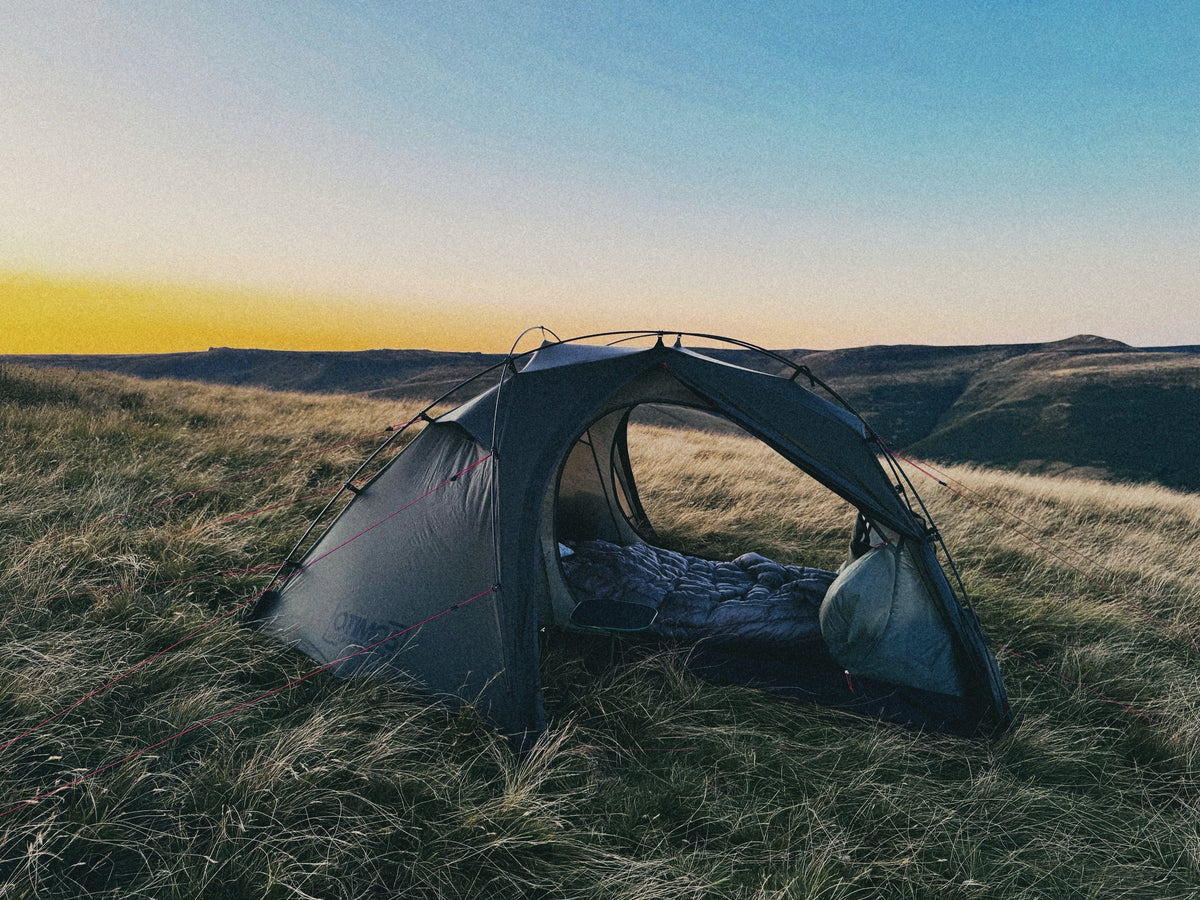
- Tent: look for a porch to keep boots and kit out of the rain, a low pack weight, and enough room to sit up inside. Have a look at our tents.
- Footprint: pitching on wet or rough ground? A footprint protects the tent floor from sharp stones and wear. Each of our footprints is cut to fit its tent.
- Pegs: on exposed ground, longer XL stakes on the corners give a much stronger hold in the wind.
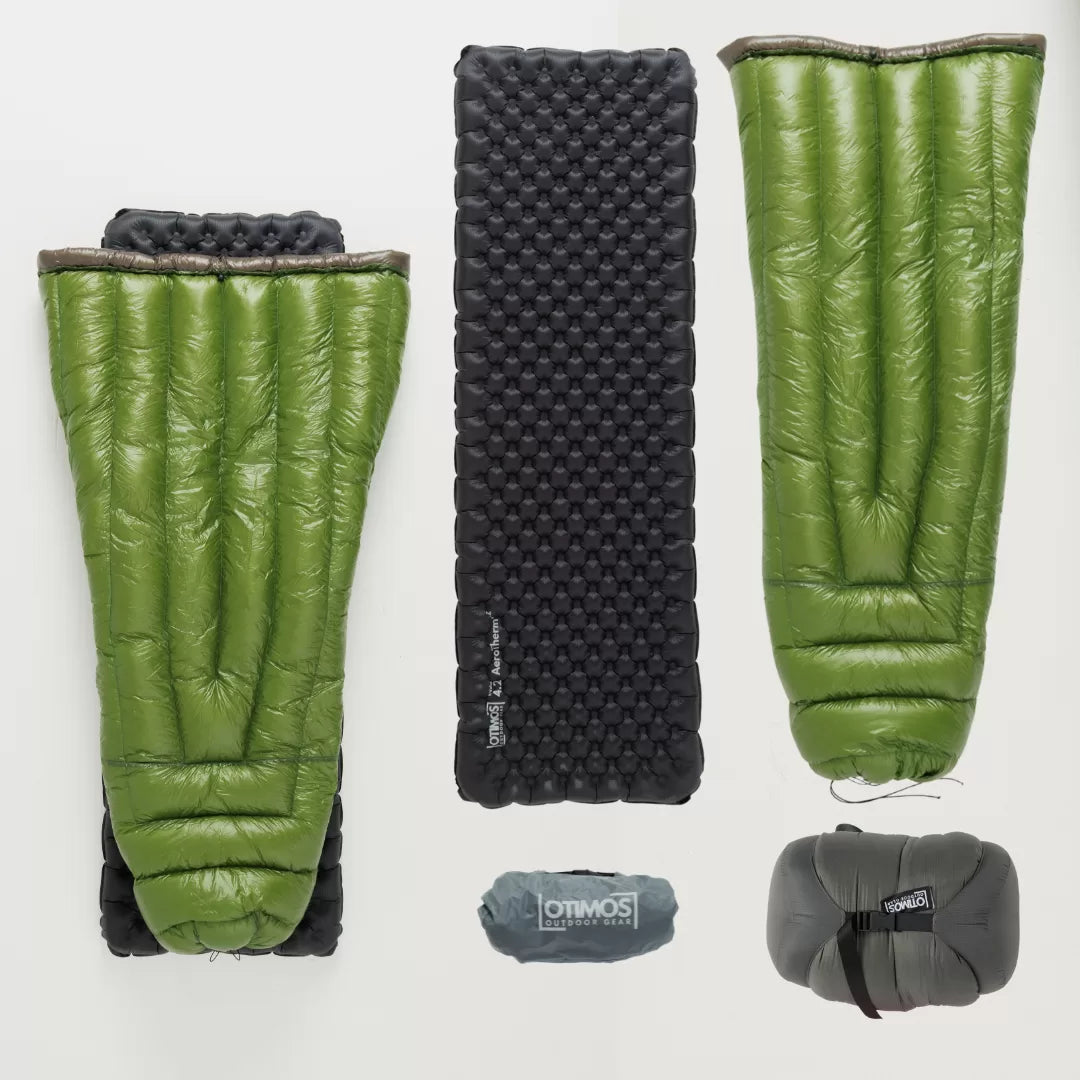
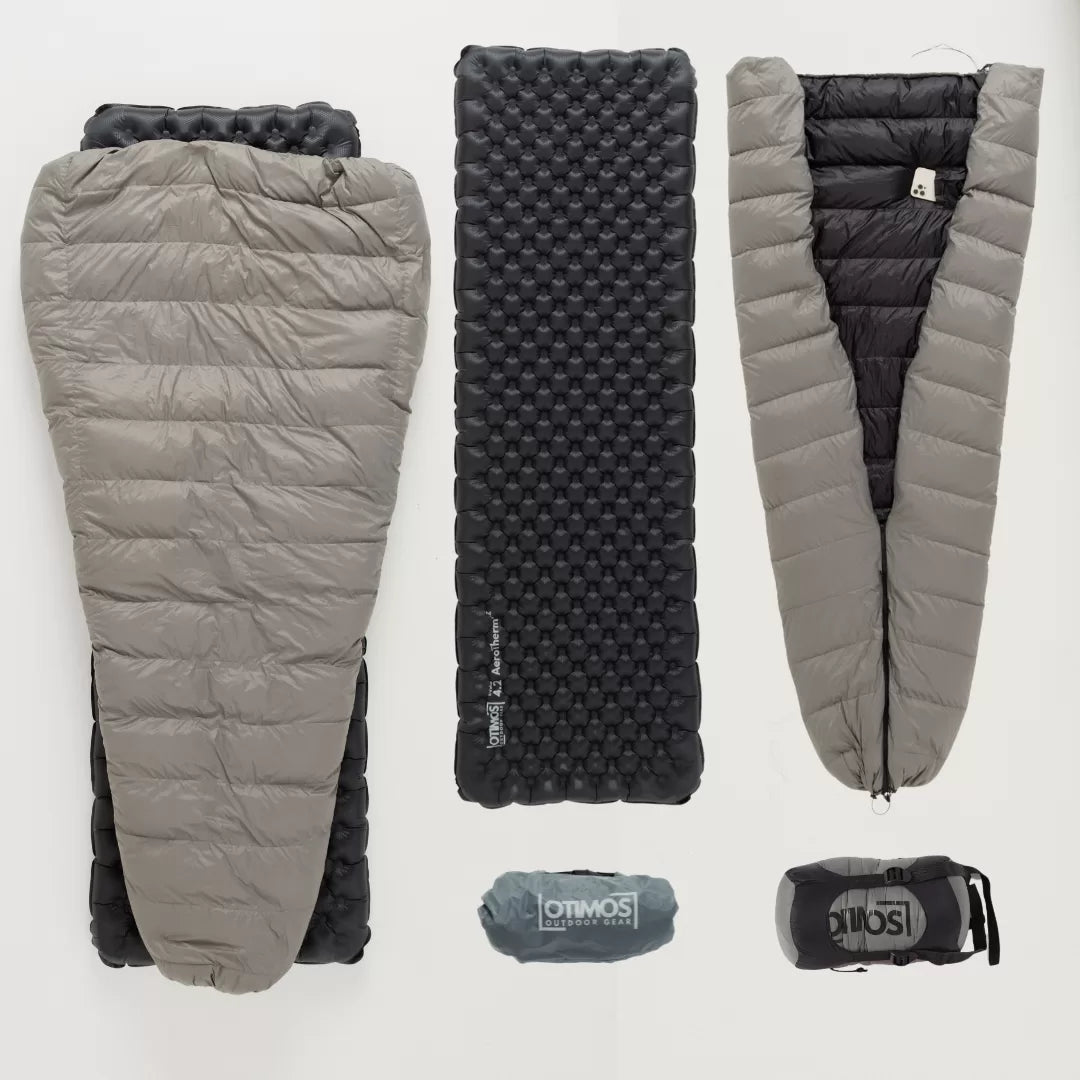
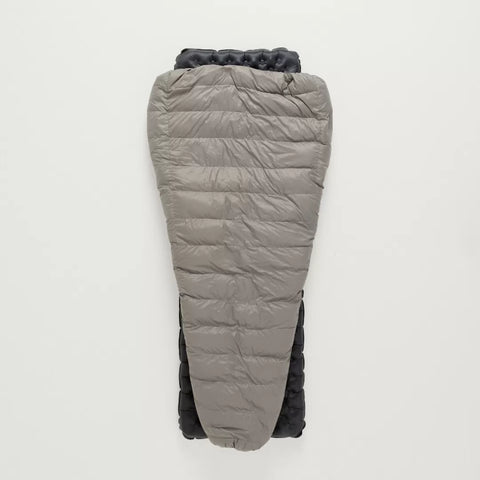
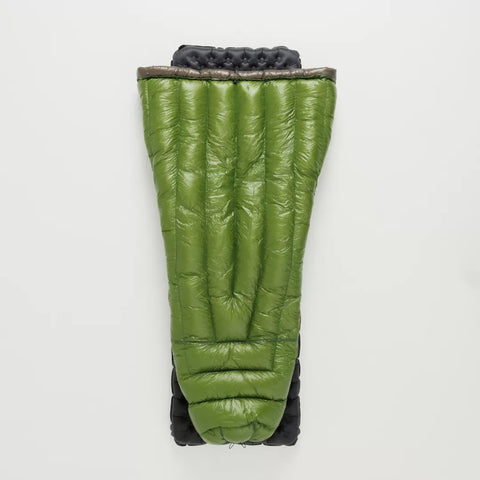
- Quilt or sleeping bag: I prefer a quilt for the smaller pack size and the freedom to move in the night. The UL700 covers spring to autumn and the UL850 is our four-season quilt.
- Sleeping pad: insulation from the ground matters as much as your quilt. The AeroTherm 4.2R is warm enough for year-round use and packs small.
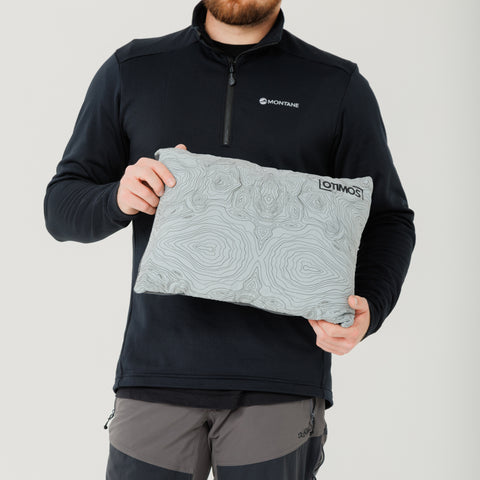
- Pillow: an inflatable camping pillow makes a bigger difference to a good night's sleep than its weight suggests.
- Something to sit on: a camping chair is a luxury that's worth the weight, or a foam sit pad keeps you dry on wet ground for next to nothing.
- Warm feet at camp: a pair of down booties once the boots come off.
Camp kitchen
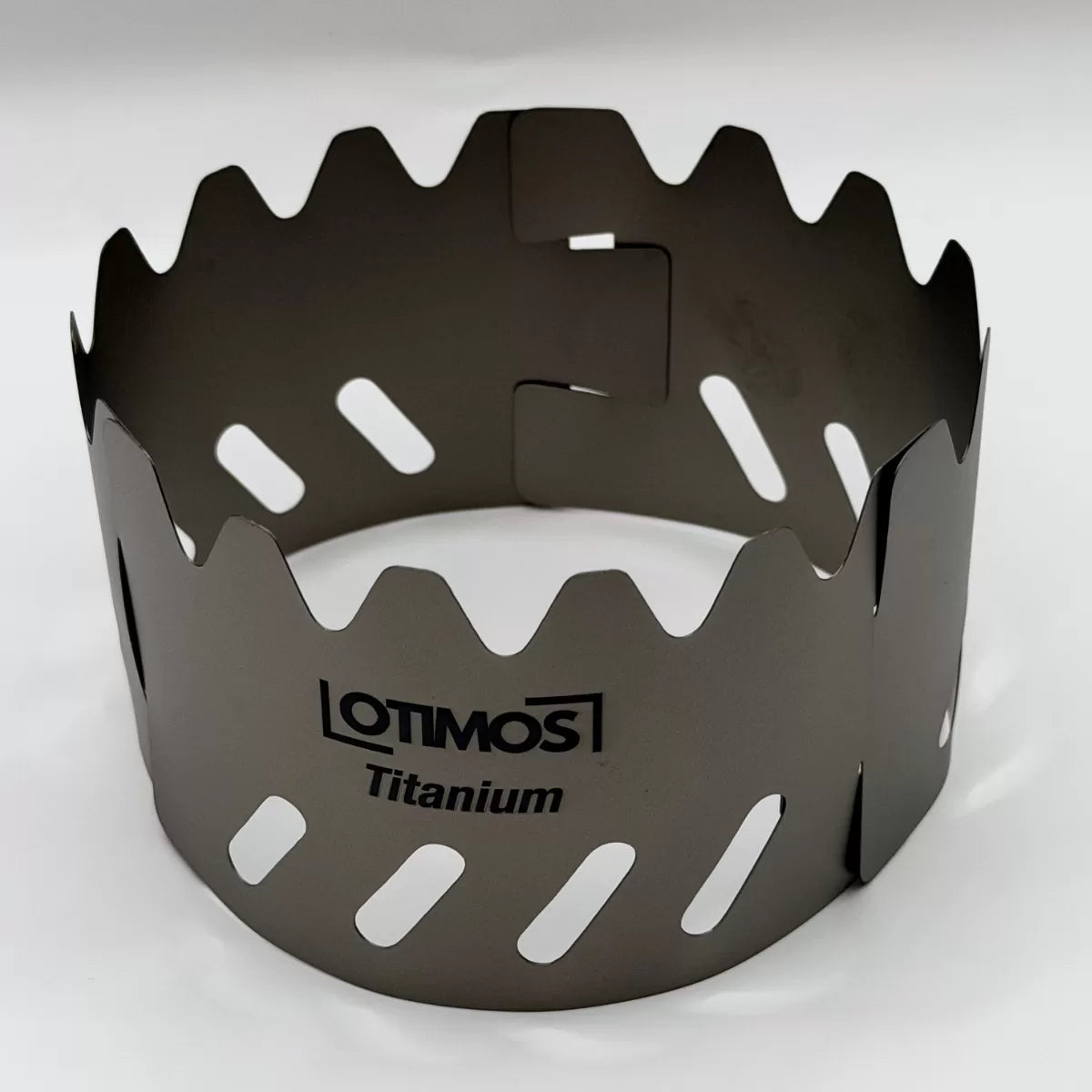
- Stove and fuel: a gas stove is quick and simple. For something lighter and quieter, our titanium alcohol stove runs on methylated spirits or bioethanol, and a windshield saves fuel and time.
- Cookware: titanium is light and tough. For boiling water and drinking, a titanium mug is usually all you need, or a kettle if you're cooking for two.
- Cutlery: a long-handled spork reaches the bottom of a meal pouch.
- Food: I go for dehydrated meals (just add boiling water) and plenty of snacks.
- Water treatment: pack a filter or purification tablets for water from streams and lakes, and follow the maker's instructions.
- Water bottle: a tough, leak-proof bottle you trust.
- Lighter or matches: always carry one, even if your stove has an igniter.
Health and safety
- First aid kit: the essentials, and know what's in it.
- Emergency shelter: a foil survival bivi weighs very little and could make all the difference if you're caught out.
- Map and compass: a paper map and a baseplate compass don't run out of battery.
- Trowel: I'll let you work this one out. Leave no trace.
- Towel: a quick-drying microfibre towel for washing up and washing yourself.
- Wash kit: rinse-free body wash or wipes, and pack out anything you take in.
- Sprays and creams: insect repellent, sun cream and antiseptic cream. A mosquito head net is a lifesaver when the midges are out.
Electronics
- Mobile phone: for navigation and staying in touch.
- Power bank and cables: for your phone, camera and lights.
- GPS: handy for navigation and safety, as phone signal isn't always there.
- Head torch: for around camp after dark.
Clothing
- Walking socks: good ones, to keep blisters away.
- Trousers or shorts: zip-off walking trousers give you both.
- Base layers: thermals for colder nights.
- Hat, gloves and a buff: depending on the weather and the wind.
- Jackets: always pack a waterproof; a down jacket depends on the forecast.
- Spare underwear: your call, but I always do.
- Footwear: walking boots or trail shoes for rough ground.
When you're home
Store your quilt and down kit loose in a mesh lofting bag rather than compressed, so it stays lofted and warm for the next trip.


