Wir versenden weltweit – Erfahren Sie mehr >

Mit Sitz in Großbritannien – familiengeführt und unabhängig!

!

Hier kommt Ihr Inhalt hin. Sie können diesen Text direkt hier oder in den Inhaltseinstellungen des Moduls bearbeiten oder entfernen. Außerdem können Sie jeden Aspekt dieses Inhalts in den Design-Einstellungen des Moduls gestalten und in den erweiterten Einstellungen des Moduls sogar benutzerdefiniertes CSS auf diesen Text anwenden.

Mit Sitz in Großbritannien – familiengeführt und unabhängig!

Otimos -Steppdecken-Größenübersicht – Welche Größe brauche ich?

Otimos -Steppdecken-Größenübersicht – Welche Größe brauche ich?

Warum die Länge eines Quilts eine Rolle spielt

Eine Bettdecke hält die warme Luft um Ihren Körper herum zurück und sorgt gleichzeitig dafür, dass kein unnötiges Gewicht entsteht. Die Wahl der richtigen Länge gewährleistet, dass Sie von den Schultern bis zu den Füßen vollständig zugedeckt sind, wodurch Zugluft minimiert und die Wärmeeffizienz maximiert wird.

Eine zu kurze Bettdecke kann an den Schultern oder Füßen Lücken hinterlassen, was die Wärme und den Komfort beeinträchtigt. Eine Bettdecke, die länger als nötig ist, erfüllt zwar ebenfalls ihren Zweck, kann jedoch etwas mehr Gewicht und Volumen im gepackten Zustand mit sich bringen.


So wählen Sie Ihre Größe aus

Wir empfehlen Ihnen, die Größe Ihrer Bettdecke in erster Linie anhand Ihrer Körpergröße auszuwählen.

In der untenstehenden Größentabelle finden Sie die empfohlene Bettdeckenlänge für Ihre Körpergröße.

Zwischen zwei Größen?

Wenn Ihre Körpergröße nahe an der Obergrenze eines Größenbereichs liegt, empfehlen wir in der Regel, eine Nummer größer zu wählen.

Die zusätzliche Länge sorgt für mehr Flexibilität beim Schlafen unter kälteren Bedingungen und gewährleistet, dass der Körper auch bei Bewegungen während der Nacht vollständig bedeckt bleibt.


Überlegungen zur Schlafposition

Rückenschläfer

Rückenschläfer können die empfohlene Größe in der Regel allein anhand ihrer Körpergröße auswählen.

Seitenschläfer

Seitenschläfer sollten möglicherweise eine Nummer größer wählen, wenn sie regelmäßig mit angewinkelten Knien schlafen oder sich nachts viel bewegen, da dies die tatsächlich verfügbare Länge verringern kann.

Aktive Schläfer

Wenn Sie sich im Laufe der Nacht häufig umdrehen, kann die Wahl der größeren Größe – falls Sie zwischen zwei Größen liegen – dazu beitragen, dass die Decke den gesamten Körper bedeckt und das Risiko von Zugluft verringert wird.


Brauchen Sie Hilfe bei der Auswahl?

Wenn Sie sich nicht sicher sind, welche Größe für Sie die richtige ist, teilen Sie unserem Team bitte Ihre Körpergröße und Ihre Schlafgewohnheiten mit – wir empfehlen Ihnen gerne das passende Modell.

Was macht die Daunendecke UL700 so beliebt?

Was macht die Daunendecke UL700 so beliebt?

Was macht die Daunendecke UL700 so beliebt?

Ultrakompakt und leicht

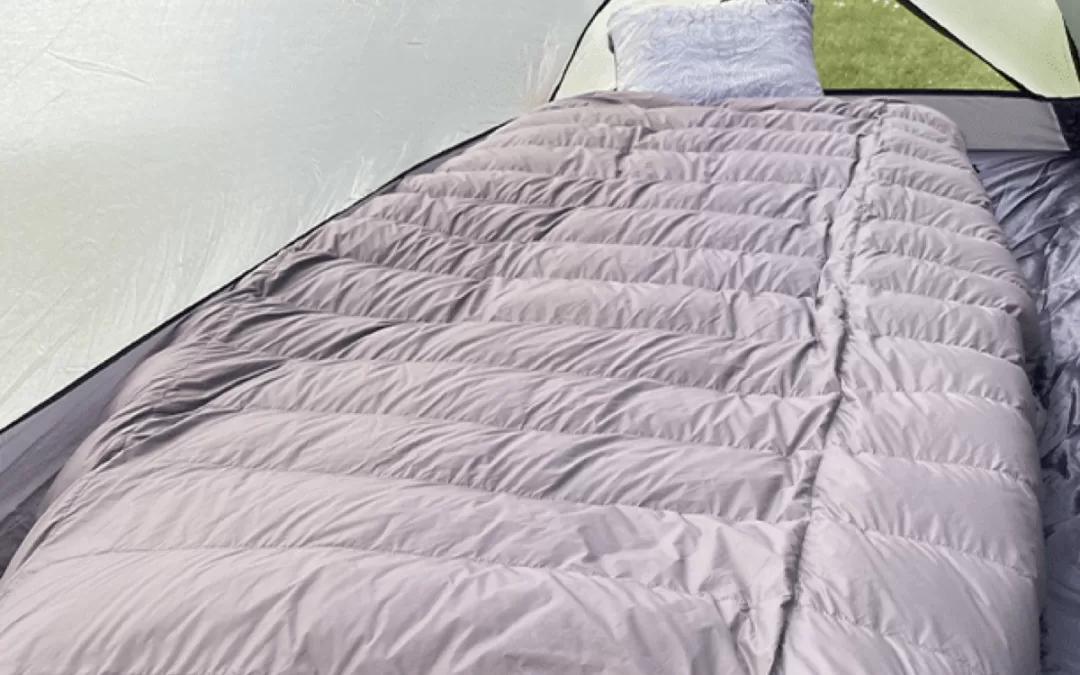
Mit einem Gewicht von unter 800 g ist unser Schlafsack außergewöhnlich leicht, sodass er sich auf langen Wanderungen und Rucksacktouren problemlos mitnehmen lässt. Er lässt sich auf eine kompakte Größe zusammenpacken, sodass er keinen wertvollen Platz in Ihrem Rucksack einnimmt.

Langlebig und wasserabweisend

Diese Steppdecke aus Ripstop-Nylon mit einer dauerhaften wasserabweisenden Beschichtung ist so konzipiert, dass sie den Anforderungen des Outdoor-Einsatzes standhält. Die Beschichtung schützt vor Feuchtigkeit und sorgt dafür, dass Sie auch bei feuchten Bedingungen trocken bleiben und sich wohlfühlen.

Vielseitiges Design

Dank des anpassungsfähigen Designs können Sie die Steppdecke auf verschiedene Arten nutzen. Ganz gleich, ob Sie eine traditionelle Schlafsack-Variante oder einen offeneren Deckenstil bevorzugen – diese Steppdecke bietet Ihnen die Flexibilität, sich ganz nach Ihren Schlafgewohnheiten einzurichten.

Was sagen die Kunden?

„Hochwertige Daunen-Campingdecke, keine losen Nähte. Scheint eher eine Kammerkonstruktion zu sein als durchgenäht. Habe die große Größe gekauft, sie scheint sowohl in der Länge als auch in der Breite reichlich groß genug zu sein. Leicht und zu einem hervorragenden Preis. A +++“

Probieren Sie die Steppdecke UL700 aus...

Was bedeutet „PFC-frei“ und warum ist das wichtig?

Was bedeutet „PFC-frei“ und warum ist das wichtig?

"PFC Free" means that a product does not contain per- and polyfluoroalkyl substances (PFAS), which are synthetic man made chemicals commonly used to provide water, oil, and stain resistance in textiles, outdoor gear, and other products. PFC stands for perfluorinated chemicals, a subset of PFAS. These substances are known for their durability and ability to repel liquids, but they are also highly persistent in the environment and in the human body, earning them the nickname "forever chemicals."

Why Is It Important?

Environmental Impact: PFCs do not break down easily in nature. They can accumulate in soil, water, and wildlife, leading to long-term environmental contamination.

Health Risks: Some PFCs have been linked to serious health issues, including:

  • Hormonal disruptions
  • Liver damage
  • Kidney and testicular cancer
  • Immune system effects

Sustainability: By eliminating PFCs, companies contribute to more sustainable production practices. Choosing PFC-free products helps reduce the overall environmental footprint.

Consumer Awareness: Many consumers are increasingly seeking safer and more eco-friendly products. "PFC Free" labeling helps them make informed choices.

Where It Matters...

PFC-free claims are significant in industries like:

  • Outdoor Apparel and Gear: Waterproof jackets, tents, and shoes often rely on PFC-based coatings.
  • Food Packaging: Some grease-resistant food wrappers and containers contain PFCs.
  • Cookware: Non-stick pans sometimes use PFCs like PTFE (Teflon).

By supporting PFC-free products, consumers and manufacturers can play a role in protecting both human health and the planet.

Brauche ich eine Bodenplane für mein Zelt?

Brauche ich eine Bodenplane für mein Zelt?

Are Tent Footprints Worth It?

Tent footprints can be a worthwhile investment for ultralight tents, but whether they are essential depends on your priorities, the type of terrain you'll encounter, and how you use your gear. Here are the pros and cons to help you make your final decision.

Pros of Using a Tent Footprint...

1. Protection for Your Tent Floor

Ultralight tents often have thinner materials to save weight, making the floor more vulnerable to punctures or abrasion. A footprint provides an extra layer of protection.

This is especially useful on rocky, rough, or abrasive terrain.

2. Extended Tent Lifespan

A footprint can help prolong the life of your tent by reducing wear and tear on the floor. It's easier and cheaper to replace a footprint than an entire tent floor.

3. Improved Waterproofing

Some tent footprints are designed to enhance waterproofing by adding an additional water-resistant barrier between the ground and your tent floor.

4. Ease of Setup Options

Many ultralight tents allow a "fast-pitch" setup using just the footprint, poles, and rainfly, creating a minimalist shelter option & saving pack weight.

5. Custom Fit

Manufacturer-provided footprints are tailored to fit your tent perfectly, reducing excess material and weight compared to DIY solutions.

Example Of A Custom Fit Footprint

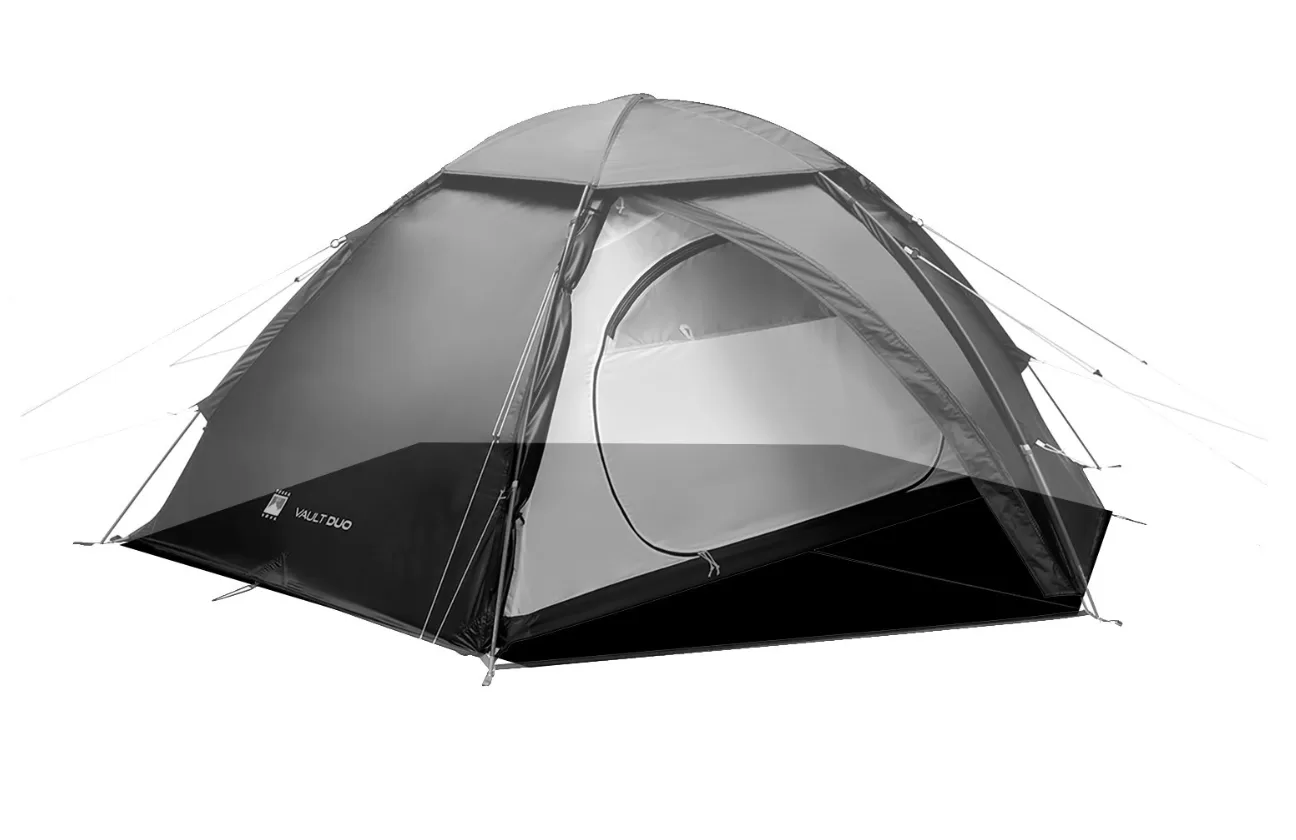
Made specifically for each model of tent custom made footprints fit perfectly under the floor of your inner & most designs also provide additional floor coverage in the vestibule area providing a dry space for you to store your boots & other gear without them being inside your sleeping area.

Cons of Using a Tent Footprint...

1. Additional Weight

Even though footprints for ultralight tents are typically lightweight (usually 200/300grams) , they still add to your pack weight.

DIY solutions like Tyvek or polycro sheets can be lighter alternatives.

2. Initial Cost

Manufacturer footprints can be relatively expensive compared to DIY options or generic alternatives. You need to weigh-up how you plan to use your tent & if there is a need for it in your setup.

3. Redundancy

If you’re careful about campsite selection & your tent does not offer a fly+footprint configuration, you might not need a footprint at all. Choosing soft, debris-free ground can mitigate the risk of floor damage. However, time is not always on your side in the hills & it's just a case of getting a shelter up to protect you from the elements.

4. Space in your Pack

Footprints can add bulk to your pack, which may be an issue for ultralight backpackers.

When a Footprint Is Certainly Worth It

Rough Terrain: If you frequently camp on rocky or uneven ground, a footprint can save your tent from excessive damage.

High-Use Tent: For those who use their tent frequently, a footprint can extend its lifespan significantly.

Moist Environments: If you're in areas with persistent wet conditions, the extra waterproof layer can be helpful.

Final Thoughts...

If you’re an ultralight backpacker focused on minimizing weight, a lightweight DIY footprint or skipping it altogether might be the best choice, especially if you’re diligent about campsite selection. For others who prioritize durability, convenience a tent-specific footprint is be a valuable addition to your kit list even if it doenst travel with you on every camping trip.

Der UL700 Hybrid-Daunenschlafsack im Test

Der UL700 Hybrid-Daunenschlafsack im Test

Check Out This Review Of The Otimos UL700 Down Quilt From @GreyHikes

In this post, we'll explore two ultralight gear items: the Otimos UL700 Down Quilt and the ASTA GEAR FENGYIN 2 tent. Both are aimed at backpackers  & wild camping lovers seeking lightweight solutions without sacrificing comfort.

So Why Is The Otimos UL700 Down Quilt So Popular?

The Otimos UL700 quilt is designed for ultralight backpacking, offering warmth and insulation through high-quality down filling. The lightweight down quilt balances weight with comfort, making it ideal for backpackers & wild campers looking to trim pack weight. The quilt is compressible, fitting easily into small backpacks, and performs well in mild to moderately cold conditions. However, it may not be the best choice for extreme cold without additional layering.

Find Out More about the UL700 Here...

Pros:

  • Lightweight, perfect for ultralight backpacking.
  • High warmth-to-weight ratio due to the down filling.
  • Compact and easy to pack into its stuff sack.
  • Well priced compared to similar products on the market.

Cons:

  • Limited warmth in extreme cold.


Round Up of the Asta Gear FENGYIN 2 Tent

This 2-person tent is aimed at backpackers & wild campers due to its lightweight & small pack size.

Pros:

  • Lightweight & small packsize.

Cons:

  • Slightly cramped with gear inside especially if you are over 6ft.
  • Less breathable fabric may lead to condensation in humid conditions.
  • Hard work to pitch in windy conditions
  • Seams were leaking throughout Alans Test
  • Outcome, should have gone for Lanshan 1


Make sure to consider your specific needs—such as temperature and weather expectations—before deciding if these products are the right fit for your adventures!

Wählen Sie Ihre Währung aus